How to Survive Anatomy in First Year: A Practical Guide
A subject every first-year medical student fears—Anatomy. For many, it feels like the subject is constantly after them, with the never ending pages of BD Chaurasia haunting their days and nights.
But here’s the truth: Anatomy is only as hard as you make it.
Let’s break it down with a clearer mindset and a practical approach.
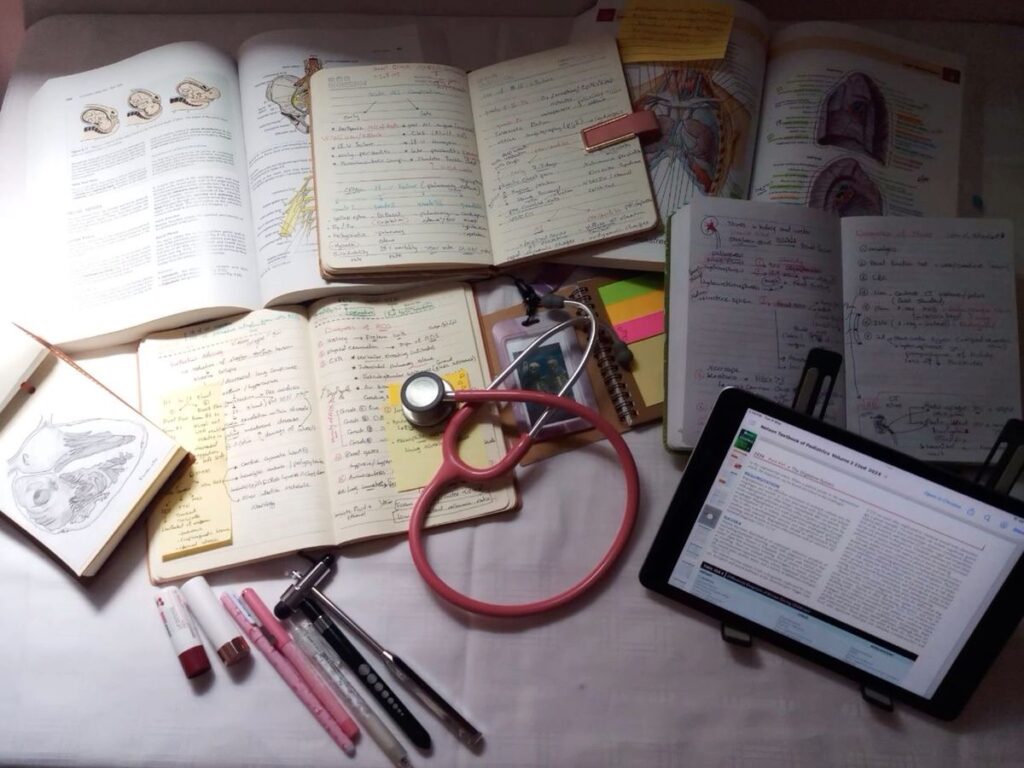
Why anat feels boring
Many students find anatomy dull because:
It’s straightforward—no fancy concepts
No plot twists, no deep logic
It’s mostly rattafication (memorization)
It demands imagination and visualization
But even after all this, anatomy is actually one of the easiest subjects, once you learn the right method. Everything you need is right in front of you—you just have to understand and visualize it.
Mindset
Your mindset decides everything.
Keep your mind clear. Overthinking gets you nowhere.
Crying over anatomy won’t magically make it easier.
The same people complaining today might top the exam tomorrow. So, don’t fall for what the crowd says.
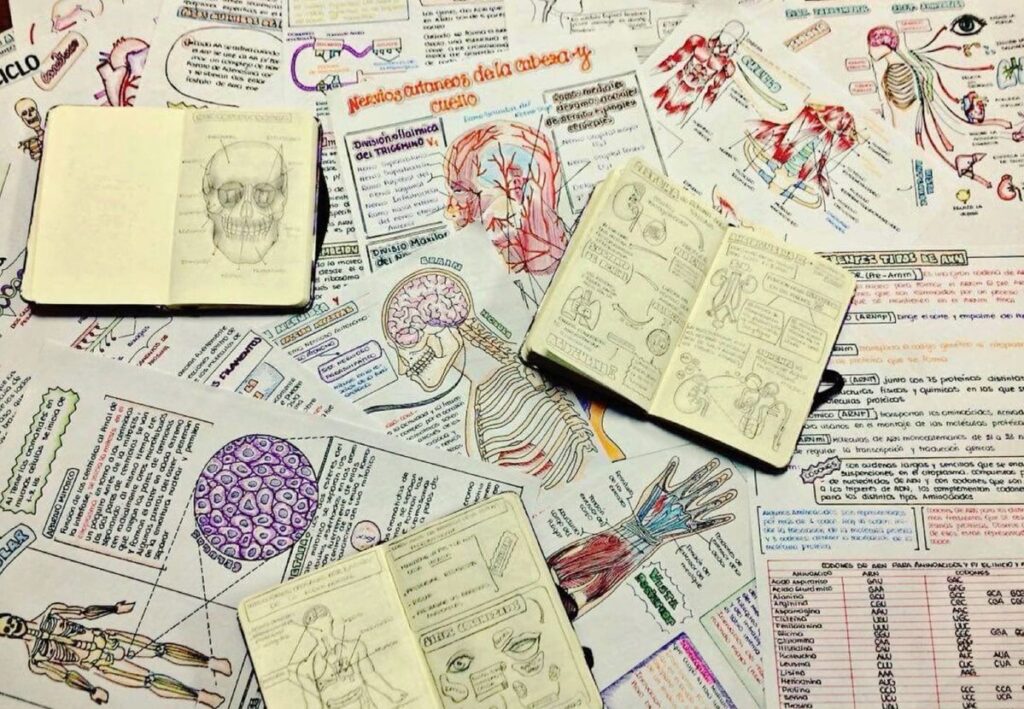
Sources
Sometimes the best support comes from the right teacher and often, that teacher is on YouTube
Why YouTube Helps
- You can replay a line as many times as you want
- You learn at your own pace
- Good channels make bones and organs come alive in your imagination
So:
- Find a good channel
- Get familiar with the teaching style
- Rewatch until concepts stick
Not everyone understands in one go, and that’s absolutely fine.
Don’t hop between sources
One of the biggest mistakes students make is switching between books and channels.
Stay loyal to:
One textbook
One YouTube channel
One style of notes
Why?
- The more you switch, the more confused and exhausted you get
- Reading 10 books gets you nowhere—reading 1 book properly does
- You don’t need a PhD in one topic; you need to finish your vast syllabus efficiently
Let others waste time jumping between resources. You stay focused.
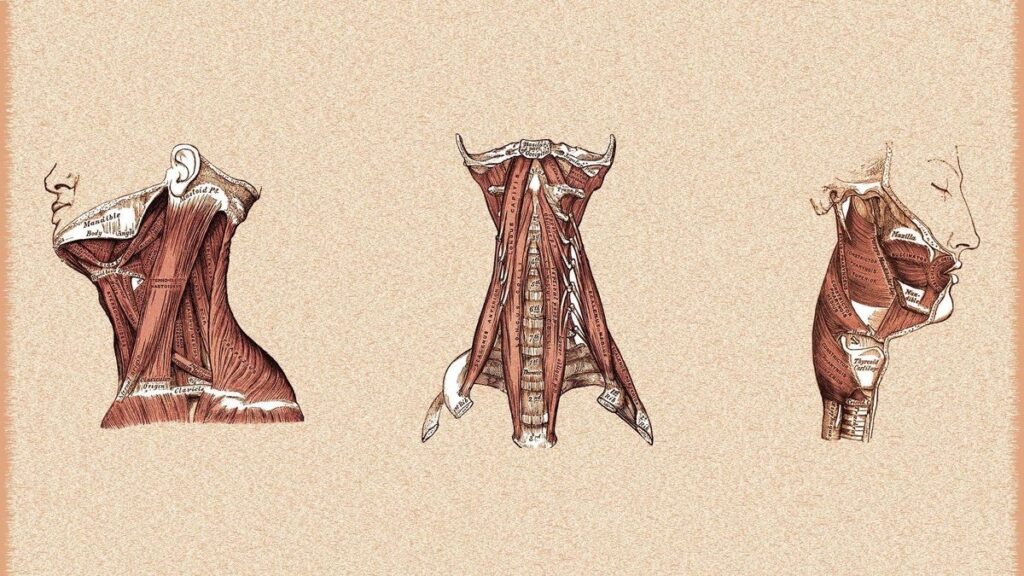
The method
Here’s a simple and effective method to follow:
Step 1: Read the Textbook
- Read the entire topic once
- Don’t worry if you don’t understand anything
- Your first reading is just to familiarize yourself with the terms
Step 2: Watch a Video Lecture
- Now things start to connect
- When the teacher explains terms you saw in the book, you naturally regain focus
- This builds interest and concentration
Step 3: Make Short Notes
Avoid making long paragraphs.
Instead:
- Use diagrams
- Use flowcharts
- Write precise bullet points
- Visual learners should use labeled diagrams or 3D models
Mugging up long sentences will only drain your brain.
BD Chaurasia Tip
Read BDC at least once, and convert it into short notes, keeping in mind all the important points, so that you never have to open the textbook again.
Conclusion
Never blindly follow the crowd.
Stick to one method that works for you.
Remember:
- Your body is your cheat sheet for anatomy
- Visualize structures
- Use models, diagrams, and videos
- Learn smart, not hard
I hope this article helped you understand the blueprint of what you need to do next.
If you’re looking for: YouTube channel recommendations, How to make effective notes, Study strategies, they’re all available right here! Take your time, scroll through the website, read, learn, and grow.