Introduction
Choosing the right books for anatomy is half the battle.
Pick the wrong one: confusion
Pick the right one: clarity + faster learning
This guide gives you:
- Best books for anatomy by level
- and when to use each book
How to Choose the best books for Anatomy
So, before jumping into books, understand this:
You need a combo:
- 1 for theory
- 1 for visual learning
- 1 for practice/review
Think of it like a tech stack. One tool won’t solve everything.
Best Books for anatomy Beginners
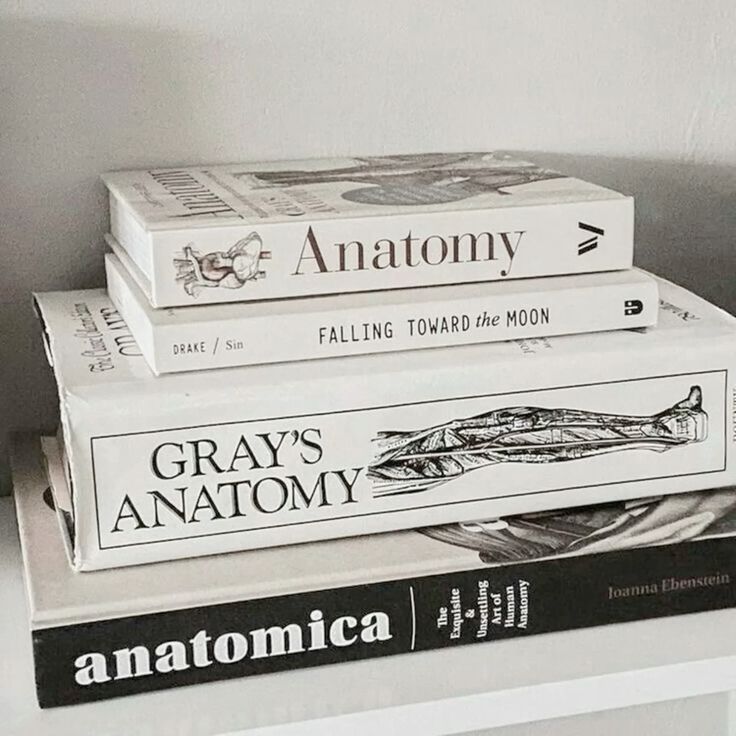
Grey’s Anatomy for Students
Best for: Concept building
- Clear explanations
- Clinical relevance
- Beginner-friendly language
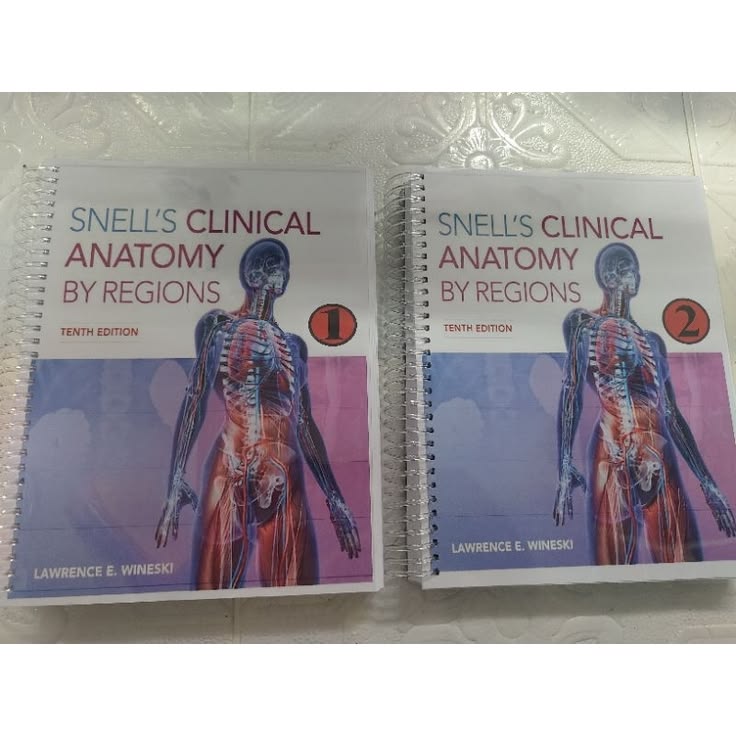
Snell’s Clinical Anatomy
Best for: Detailed study
- In-depth explanations
- Strong clinical focus
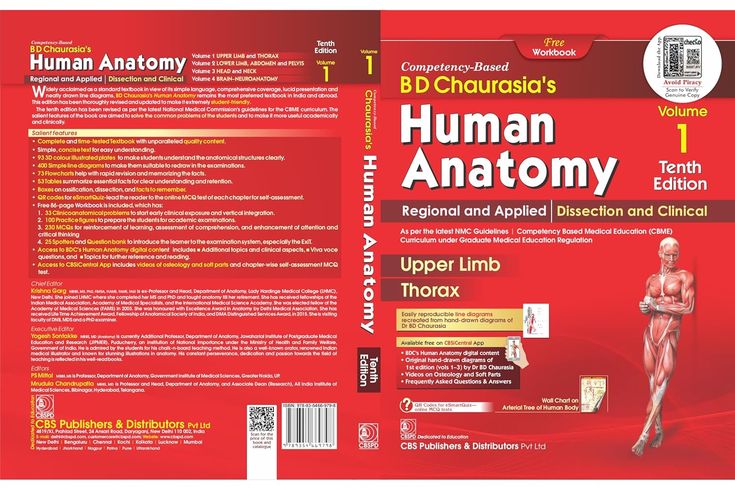
BD Chaurasia’s Human Anatomy
Best for: Exam preparation
- Structured content
- Easy to revise
- Widely used in universities
Best Books for anatomy Quick Revision & Memorization
Essentials of Medicine
Best for: Fast revision
- Simplified explanations
- Easy navigation
Grey’s Anatomy Review
Best for: Practice questions
- MCQs + explanations
- Exam-focused
How to Study Anatomy Using These Books
Owning books ≠ learning anatomy.
The “3-Layer Study Method”
- Layer 1: Concept
- Understand structure + function
- Layer 2: Visualizations
- Match text with diagrams
- Layer 3: Recall + Testing
- Use review books / MCQs
- Test yourself daily
Read → Visualize → Recall → Test → Repeat
Book Comparison
Grey’s Anatomy: for Students, Concepts, Beginner
BD Chaurasia: For Exams, Beginner, Intermediate
Essentials of Medicine: revisions, short and simple (best book for anatomy, literally)
Grey’s Review: MCQs Exam prep
Optimized Strategy
- Read 1 topic (30–40 mins)
- Close the book → recall everything
- Do 5–10 MCQs
Common Mistakes Students Make
- Using only one book
- Ignoring diagrams
- Not practicing questions
- Reading passively
Conclusion
Note: Using only one book for both theory papers and Viva is wrong. As for theory, you need to be prepared in every way; do not confuse yourself with several books. Instead, stick to one and thoroughly go through it at least twice.
As for viva and spotting, go for books like Essentials of Medicine, which are better for a one-time overview. Hopefully, now you know some of the best books for anatomy out there!
Before you go, here are some common FAQs related to anatomy:
- How do I study anatomy without forgetting everything? {try active recall and spaced repetition}
- What is the best way to memorize anatomy quickly? {by learning it visually}
- How many hours should I study anatomy daily? {no specific hours, study until you don’t oversaturate yourself}
- Where should I learn anatomy from, books or videos? {I prefer the book along with the video}
- Why is anatomy so hard to learn? {It is not, stop saying that, manifest better}
- How do I learn anatomy if I’m a slow learner? {Try to break down the bigger topics, and again break down the subheadings, study a few every day through active recall}
- What are the best resources to study anatomy? {I haven’t used any, just the 2 textbooks and the telegram notes}
- How do I study anatomical terms and names? {you have to keep revising}
- How to revise anatomy before exams effectively? {study on the models, try recalling everything and do not try cramming last minute}
- Should I focus on understanding or memorization in anatomy? {understanding, duh}
- How do I study anatomy diagrams and labelling? {Go through the diagrams with a YouTube video first, then do it on your own}