Introduction
If you’re just reading your textbook and hoping things will stick, it won’t.
The real gamechanger? annotate textbooks.
annotate textbooks and it’s not about decorating your book with highlighters; it’s about turning information into something your brain can actually recall in exams.
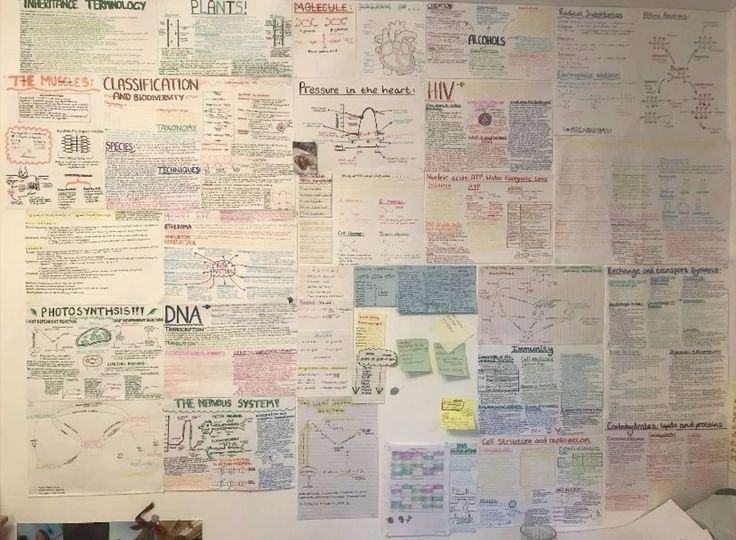
What Does “annotate Textbooks” Really Mean?
- Annotation
- simplifying
- organizing
- adding your own understanding
Think of your textbook like raw data.
Your annotations? That’s processed, usable output.
Common Annotation Mistakes Students Make
Let’s call them out:
- Highlighting entire paragraphs
- Writing everything again in the margins
- Using 5 different colors
- Copy-pasting from notes or PDFs
That’s not annotation, that’s wasting time.
The Correct Way to annotate textbooks (Step-by-Step)
Step 1: Read First, Don’t Touch the Pen
Read 1–2 pages fully
Understand the concept
Don’t annotate blindly, you’re not a scanner.
Step 2: Identify What Actually Matters
Ask yourself:
- What can be asked in exams?
- What is repeatedly mentioned?
- What is diagram-worthy?
Step 3: Write in Points (Not Paragraphs)
Bad: “The nerve originates from…”
Good:
- Origin → ___
- Course → ___
- Supply → ___
Step 4: Use Smart Highlighting
Limit yourself:
- 1 color → key terms
- 1 color → headings
Step 5: Add Diagrams & Arrows
Anatomy = visual subject.
Draw:
- quick sketches
- flow arrows
- labels
Even ugly diagrams work. Your brain doesn’t care about aesthetics.
Step 6: Add “Exam Triggers”
This is next-level annotation.
Write things like:
- “Important for OSPE”
- “Frequently asked”
- “Confusing point”
You’re basically leaving clues for your future self.
Pro Tips
1. Keep It Minimal
Your textbook should not look like a notebook.
2. Update, Don’t Rewrite
Add to your annotations over time instead of rewriting everything.
3. Think Like an Examiner
Annotate based on:
- likely questions
- important structures
- repeated concepts
4. Use the Margins Wisely
Margins = goldmine for:
- mnemonics
- quick summaries
- tricky facts
Example of Good Annotation
Instead of writing a paragraph:
Convert this:
“Facial nerve supplies muscles of facial expression…”
Into:
- CN VII
- Motor → facial muscles
- Clinical → Bell’s palsy
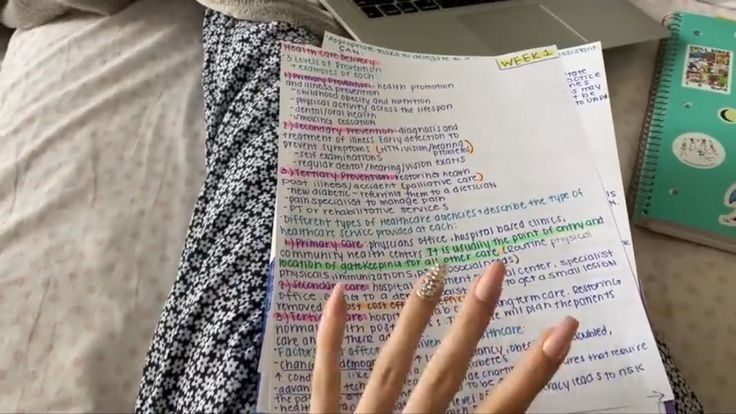
What NOT to Do
- Don’t rewrite the whole book
- Don’t depend only on highlighting
- Don’t make it messy
- Don’t annotate without understanding
Conclusion
after you annotate textbooks, your textbook should become:
- shorter
- clearer
- revision-friendly
If your annotations don’t make you revise faster, you’re doing it wrong. Good annotations not only cut your exam stress significantly but also speed up revision, helping you avoid burnout.