Introduction
When it comes to NEET Chemistry, most students overcomplicate their preparation by studying multiple books, coaching modules, and endless PDFs. But the reality is much simpler your NCERT for chemistry is the most powerful resource you have, if you know how to use it correctly.
The problem is not the book; the problem is how students read it. They read passively, skip lines, and ignore patterns. That’s exactly why they miss questions that come directly from NCERT for chemistry.
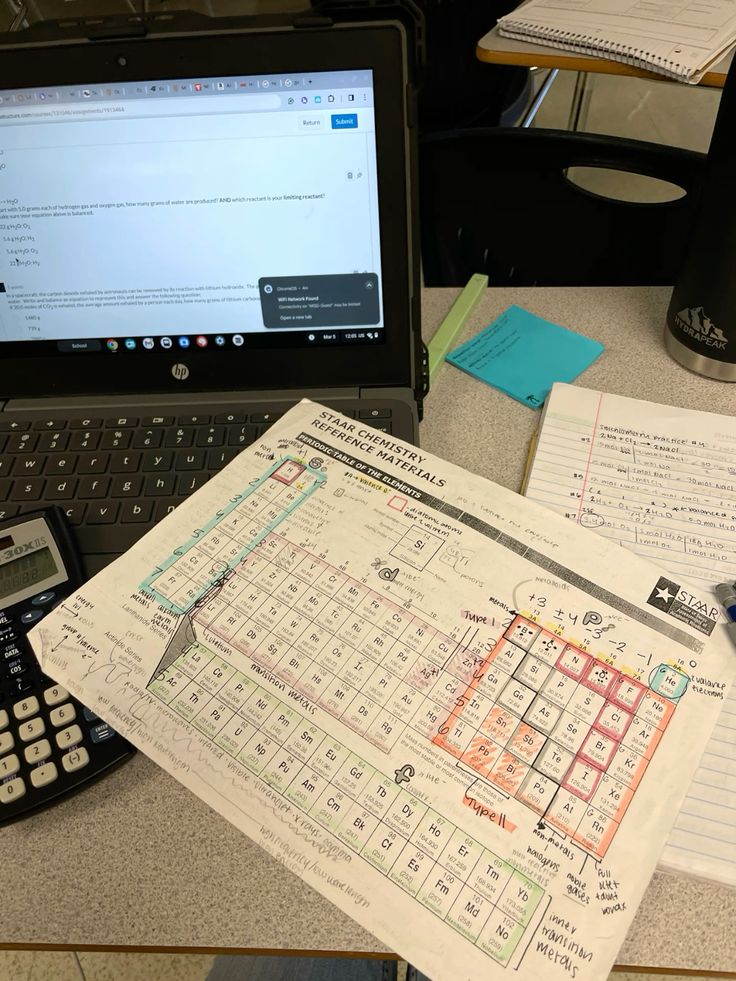
Inorganic chemistry (NCERT for CHEMISTRY)
Let’s start with Inorganic Chemistry, because this is where NCERT becomes unskippable. A large number of NEET questions are literally picked line-by-line from NCERT. Not concepts, not summaries exact statements, facts, and exceptions.
If you skip even a small line thinking it’s not THAT important, chances are that’s exactly what gets asked in the exam. That’s why your approach should be very different here. You need to read NCERT like you’re analyzing data, not like you’re reading a story. Pay attention to trends, properties, exceptions, colors, uses, and reactions mentioned in between paragraphs.
Highlight aggressively, revise repeatedly, and most importantly, try to recall lines in your own words. That’s how you build permanent memory.
Organic chemistry
Now coming to Organic Chemistry, students often rely mostly on coaching notes and reaction sheets, but here’s the thing many reactions are directly picked from NCERT. Not all, but a significant number. Named reactions, mechanisms, and even small conversions mentioned in the text can appear as direct or modified questions.
If you ignore NCERT for chemistry and only depend on external notes, you’re leaving easy marks, that are literally in front of you. The smart approach is to first read NCERT thoroughly, understand the flow of reactions, and then use additional material only for practice. NCERT should be your priority, not your backup.
Physical chemistry
For Physical Chemistry, the game changes a bit. NCERT gives you the concepts and some solved examples, but what most students ignore are the practice questions given along with the solutions after every topic. These questions are extremely important because they build your problem-solving foundation. In fact, you should solve NCERT questions before solving into coaching modules. This builds confidence and helps you understand the level of questions. Once you’re comfortable, then you can move to higher-level problems.
Here’s how you should practically use NCERT for Chemistry:
- Read actively, not passively question every line
- Highlight important statements, especially needed in inorganic
- Revise inorganic multiple times for line-based questions
- Cover organic reactions directly from NCERT first
- Solve NCERT questions for physical chemistry before modules
Conclusion
One hard truth you need to accept most students don’t fail because they didn’t study enough, they fail because they ignored NCERT. They chase too many resources and lose focus. Chemistry, especially for NEET, rewards those who stick to basics and revise them deeply.
If you use NCERT the right way, you’ll start noticing a pattern: questions feel familiar, options look predictable, and your confidence increases. That’s not luck, that’s preparation done correctly. Stop treating NCERT like just another book. Treat it like your primary weapon, and you’ll see the difference in your scores.